Euclidean Void
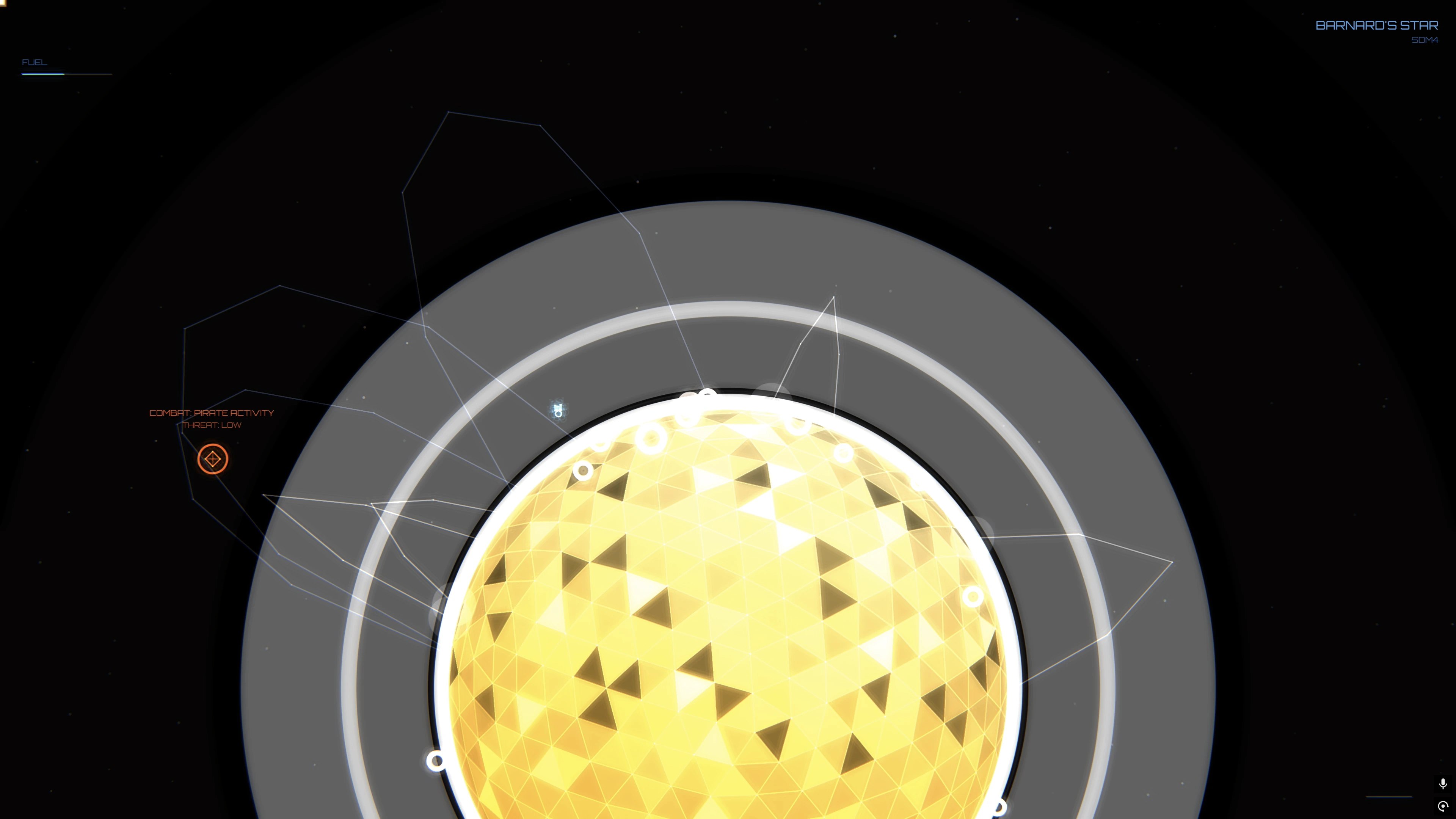
Euclidean Void — early gameplay
Euclidean Void is a game idea I've had for a while. I've always loved the old vector arcade games like Asteroids and Major Havoc. Vector displays just had a special quality that was hard to duplicate till OLED displays were released. Games like Geometry Wars made attempts to recapture that spirit in a modern context, but they were strictly arcade games and not particularly deep.
I want something that has that same clean aesthetic but gives you a whole universe to get lost in.
The Vision
Games like Elite Dangerous offer a complete 3D space simulation with mechanics for exploration, mining, combat, and trade, a genuinely deep experience. The idea behind Euclidean Void is to combine that kind of depth with a simpler vector graphics approach: a crisp, clean retro look that strips away the visual noise of a full 3D engine. Instead of a heavy grind, replace it with fun arcade elements via mini-games.
The Engine
After seeing games like Utopia Must Fall that managed to authentically capture the vector feel in a modern context, I researched how to recreate it and landed on a WebGL-based approach:
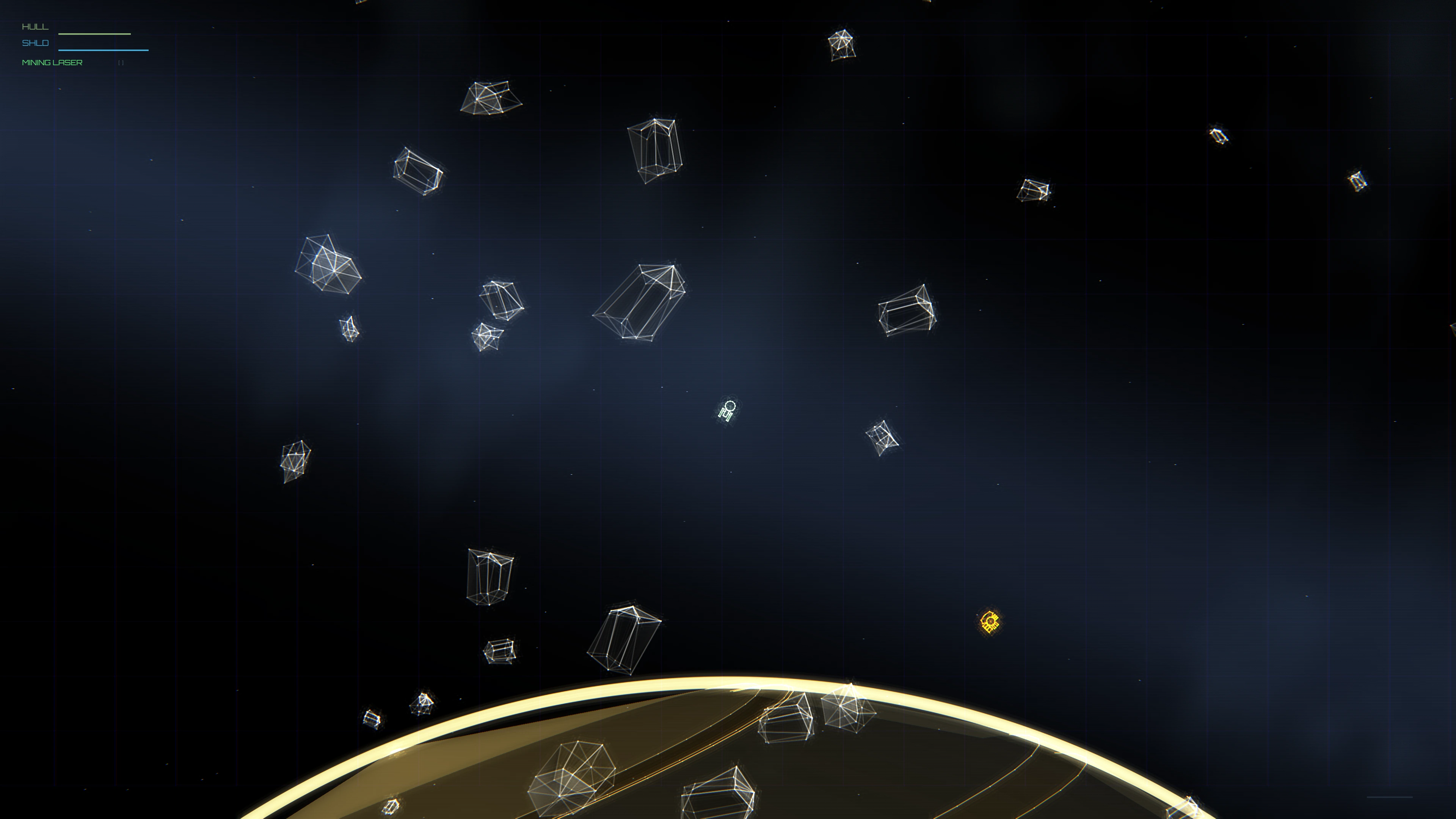
- WebGL line renderer : Draws the world in glowing vector lines, just like the original arcade hardware did with electron beams
- GL shaders : Handle special effects like bloom, glow, and distortion without needing a heavy engine
- No Unity or Unreal : Lighter, more portable, and easier to iterate on without the overhead of a full 3D engine. No licensing fees!
- Cross-platform by default : Runs in any modern browser, and can be packaged for Steam via Electron (which wraps it in a Chromium shell — the player never notices)
Exploration
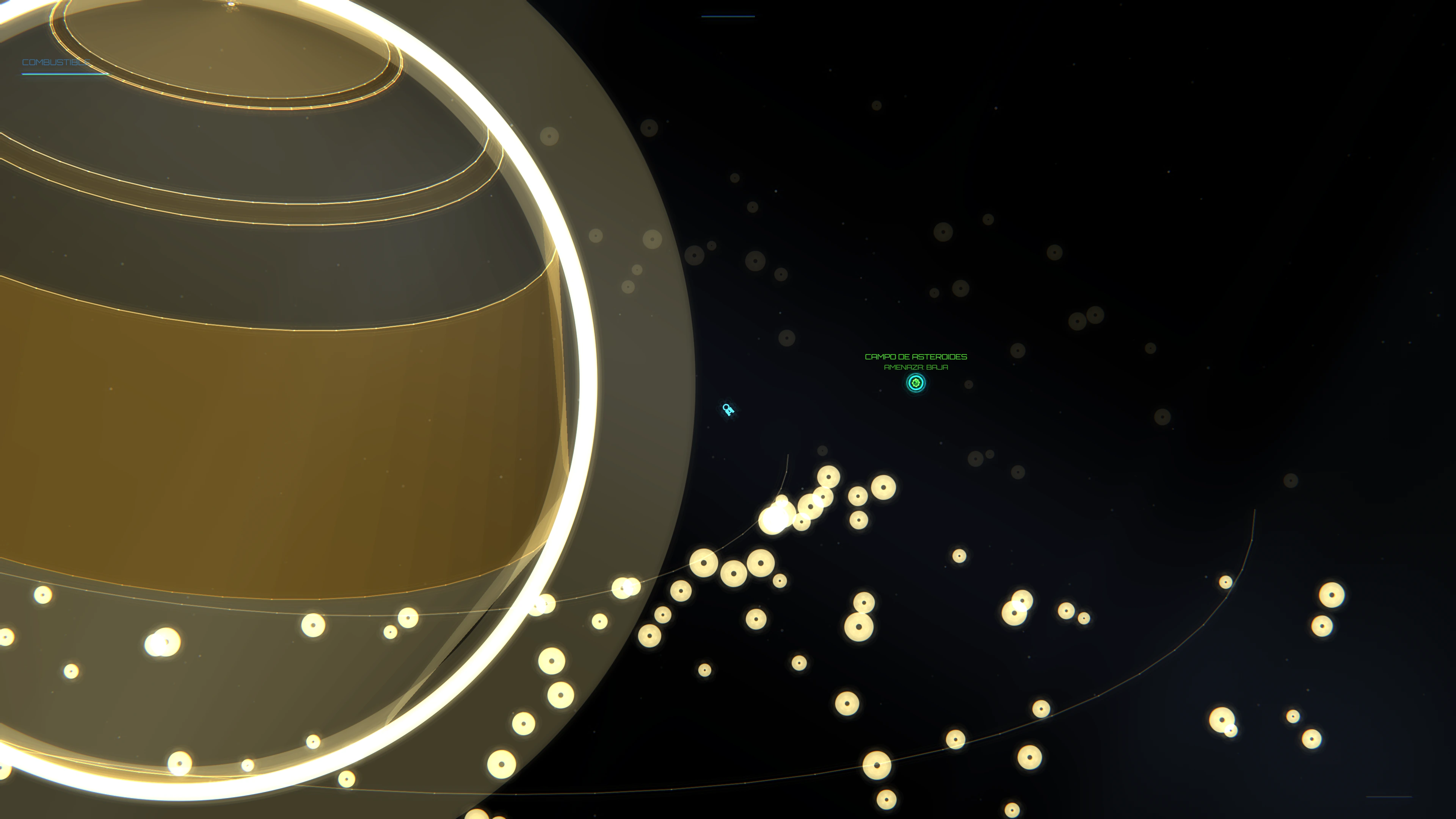
The first focus has been nailing down the core exploration gameplay. To ground it in reality, I started with nearly 10,000 real stars close to Earth and procedurally generated a unique system for each one. I grabbed these stars from several astronomy catalogs like HYG. Planet generation is informed by current astrogeology knowledge, so the types of worlds you find actually reflect what science suggests you'd find around a given star type.
Each system can contain different planet types:
- Rocky worlds
- Water worlds
- Terran (Earth-like) planets
- Gas giants
- And more, each with distinct atmosphere types and surface resources
The World
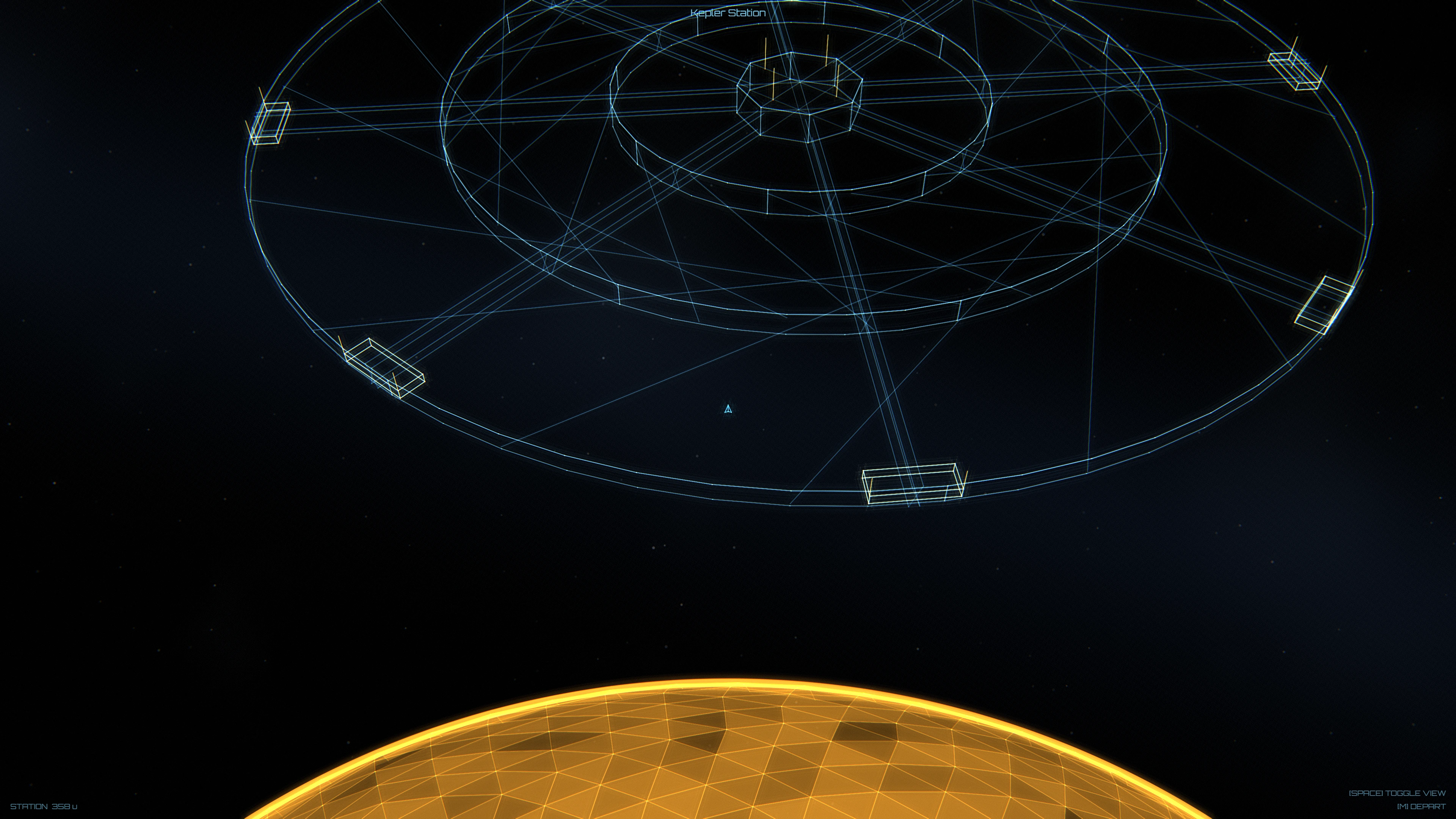
Within 85 light years of Earth, systems have space stations and NPC traffic, a relatively busy, familiar stretch of the galaxy. As you venture further into the black, the universe gets stranger and less predictable. There are things out there.
Missions and narratives are also planned to give players reasons to travel and things to care about beyond just cataloguing stars.
Euclidean Void Prototype Footage
What's Next
If you've played Endless Sky, Euclidean Void will feel familiar in concept but the goal is to make the exploration more immersive and to better represent the true scale of space. The vector aesthetic helps with this: it strips things down to their essence and lets the emptiness of deep space actually feel empty.
I am only in the prototyping phase but planned additions include:
- Missions and branching narratives
- NPC factions and traffic throughout the known systems
- Mining, trade, and combat mechanics
- Unique encounters in deep space beyond 80 light years
- Steam release via Electron packaging